Introduction
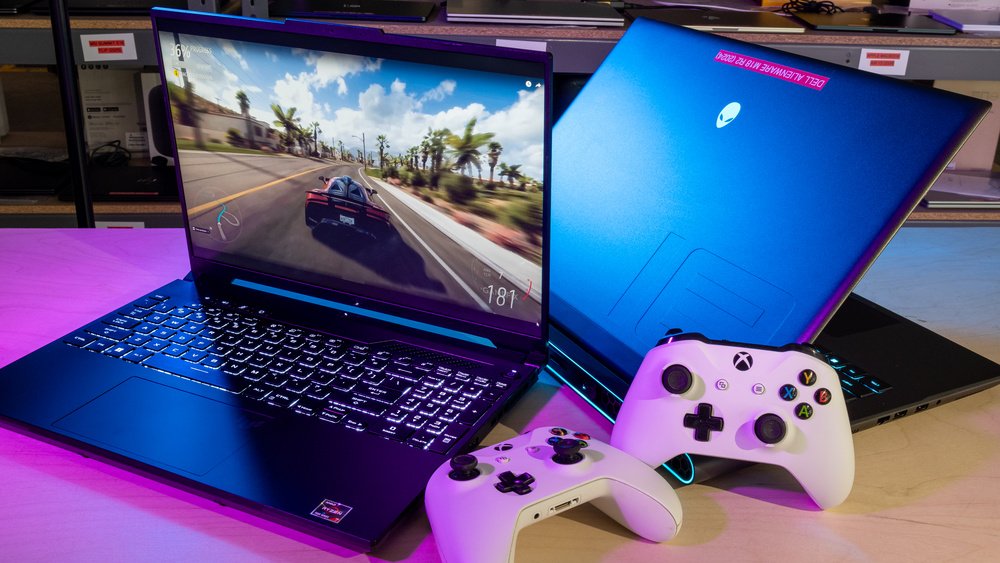
Gaming laptops have evolved dramatically over the past few years, offering desktop-level performance in portable designs that can be used for work, entertainment, and competitive gaming. Whether you enjoy fast-paced esports titles, immersive RPGs, open-world adventures, or content creation alongside gaming, choosing the right laptop can make a significant difference in your experience.
In 2026, manufacturers are focusing on more powerful processors, advanced graphics cards, AI-assisted performance optimization, faster displays, and improved cooling systems. With so many choices available, finding the best gaming laptop can feel overwhelming.
This guide explains everything you need to know about gaming laptops, including important specifications, buying considerations, recommended categories for different budgets, maintenance tips, and frequently asked questions to help you make an informed decision.
What Makes a Great Gaming Laptop?
Unlike regular notebooks, gaming laptops are designed to handle demanding graphics workloads while maintaining smooth frame rates.
The best gaming laptop should provide:
- Powerful CPU performance
- Dedicated graphics processor
- Fast SSD storage
- High-refresh-rate display
- Efficient cooling system
- Comfortable keyboard
- Long-term reliability
- Upgrade options for RAM and storage
- Good battery management
- Excellent value for money
A balanced combination of these features matters more than simply purchasing the most expensive machine.
Why Buy a Gaming Laptop Instead of a Desktop?
Although desktops generally provide better upgradeability, gaming laptops offer unique advantages.
Portability
You can game almost anywhere, including at school, college, work, or while traveling.
Space Saving
Gaming laptops require minimal desk space compared to full desktop setups.
All-in-One Convenience
Everything you need—including display, keyboard, speakers, webcam, and battery—is built into one device.
Productivity
Modern gaming laptops are powerful enough for programming, video editing, graphic design, streaming, and AI-related workloads.
Easy Setup
Unlike desktops, there is no need to purchase separate monitors or peripherals to get started.
Important Specifications to Consider
Processor (CPU)
The processor controls overall system performance.
Look for:
- Latest-generation Intel Core i7 or Core i9 processors
- AMD Ryzen 7 or Ryzen 9 processors
For casual gaming, a modern Core i5 or Ryzen 5 can also provide excellent results.
Graphics Card (GPU)
The GPU is the most important component for gaming.
Popular options include:
- NVIDIA GeForce RTX series
- AMD Radeon RX series
Dedicated graphics cards enable ray tracing, AI-powered upscaling, and high frame rates in demanding games.
RAM
Modern games require plenty of memory.
Recommended capacities:
- 16GB for mainstream gamers
- 32GB for enthusiasts
- 64GB for professional creators and power users
Avoid purchasing gaming laptops with only 8GB unless you plan to upgrade.
Storage
Solid-state drives dramatically improve loading times.
Recommended minimum:
- 1TB NVMe SSD
Many premium laptops allow users to add secondary SSDs later.
Display
Display quality greatly affects gaming enjoyment.
Consider:
- 15.6-inch or 16-inch panels
- QHD or Full HD resolution
- 165Hz or higher refresh rate
- Low response times
- High brightness
- Wide color coverage
Competitive gamers often prioritize refresh rate over maximum resolution.
Cooling
Gaming generates substantial heat.
An effective cooling system includes:
- Multiple heat pipes
- High-performance fans
- Vapor chamber technology
- Smart thermal management
- Optimized airflow
Better cooling helps sustain performance during long sessions.
Battery Life
Gaming drains batteries quickly, but modern systems can still offer respectable runtime for everyday tasks.
Expect:
- 6–10 hours for light productivity
- 1–3 hours during intensive gaming without charging
Most gamers play while connected to power.
Keyboard
Features worth considering include:
- RGB backlighting
- Mechanical or tactile switches
- Anti-ghosting
- Comfortable key travel
- Dedicated function controls
A quality keyboard improves both gaming and typing.
Connectivity
Modern gaming laptops should include:
- USB-C ports
- USB-A ports
- HDMI
- Ethernet
- Wi-Fi 6 or Wi-Fi 7 support
- Bluetooth
- Audio jack
- SD card reader (optional)
Good connectivity reduces the need for adapters.
Best Gaming Laptop Categories
Best Overall Gaming Laptop
An ideal all-around gaming laptop combines:
- High-end processor
- Powerful dedicated GPU
- QHD display
- Excellent cooling
- Premium build quality
- Upgradeable memory
- Fast SSD storage
This category balances gaming performance with productivity.
Best Budget Gaming Laptop
Budget gamers should prioritize:
- Mid-range GPU
- 16GB RAM
- Fast SSD
- Reliable cooling
- 144Hz display
These systems can run many popular games smoothly without a premium price tag.
Best Mid-Range Gaming Laptop
Mid-range models typically deliver:
- Better graphics performance
- Improved displays
- Higher refresh rates
- Larger SSDs
- Better keyboards
- Superior thermal management
For many buyers, this segment offers the best balance of cost and performance.
Best Premium Gaming Laptop
High-end gaming machines feature:
- Flagship processors
- Top-tier GPUs
- Mini-LED or OLED displays
- Advanced cooling
- Premium materials
- Large batteries
- High-end audio systems
These laptops target enthusiasts who demand maximum performance.
Best Thin and Light Gaming Laptop
Portable gaming laptops emphasize:
- Slim designs
- Lower weight
- Efficient processors
- Long battery life
- Professional aesthetics
They appeal to students and professionals who want one device for work and gaming.
Best 18-Inch Gaming Laptop
Large gaming laptops provide:
- Bigger screens
- Improved cooling
- Better speakers
- Full-size keyboards
- Higher sustained performance
They often serve as desktop replacements.
Features That Matter for Competitive Gaming
Competitive players should focus on:
- High refresh rates
- Fast response times
- Stable frame rates
- Minimal input lag
- Reliable cooling
- Fast processors
- Wired Ethernet support
Smooth gameplay often provides a competitive advantage.
Storage Expansion
Games continue to grow in size, with some titles exceeding 100GB.
Choose laptops offering:
- Additional M.2 SSD slots
- Easy storage upgrades
- Fast PCIe NVMe drives
Extra storage prevents constant uninstalling and reinstalling of games.
Upgradeability
Before buying, verify whether the laptop allows upgrades for:
- RAM
- SSD storage
- Wireless card
- Battery replacement (where possible)
Upgradable systems generally have longer useful lifespans.
Audio Experience
Immersive sound enhances gameplay.
Look for:
- Stereo speakers
- Spatial audio support
- Noise reduction
- High-quality headphone output
Many gamers still prefer dedicated gaming headsets for competitive play.
Webcam and Streaming
Content creators should consider:
- Full HD webcams
- AI background effects
- Noise cancellation
- Multiple microphones
- Hardware encoding support
Streaming places additional demands on system resources.
Display Technologies
IPS
Provides wide viewing angles and accurate colors.
OLED
Offers exceptional contrast, deep blacks, and vibrant visuals.
Mini-LED
Combines high brightness with excellent HDR performance.
Each technology has strengths depending on your priorities.
Common Gaming Resolutions
1080p
Ideal for maximizing frame rates.
1440p
Balances visual quality and performance.
4K
Produces stunning visuals but requires extremely powerful hardware.
Most gamers find 1440p to be an excellent compromise.
Cooling Tips
To maintain optimal performance:
- Use the laptop on hard surfaces.
- Clean vents regularly.
- Update firmware and drivers.
- Avoid blocking airflow.
- Consider a cooling pad.
- Keep ambient temperatures reasonable.
Proper maintenance can improve longevity.
Should You Choose Intel or AMD?
Both platforms offer outstanding gaming performance.
Intel processors often excel in high-frequency workloads, while AMD processors frequently deliver strong efficiency and multicore capabilities. Real-world gaming differences depend more on the complete system design than the CPU brand alone.
How Much RAM Do Gamers Need?
- 8GB: Entry level, increasingly restrictive
- 16GB: Recommended for most players
- 32GB: Great for streaming and multitasking
- 64GB: Professional workloads and advanced users
For most buyers, 16GB or 32GB strikes the best balance.
Is Ray Tracing Worth It?
Ray tracing creates more realistic lighting, shadows, and reflections.
While it improves visual fidelity, it can reduce frame rates on less powerful hardware. Upscaling technologies help offset the performance cost, making ray tracing more practical than ever.
Gaming Laptop Maintenance
Regular maintenance helps preserve performance.
Keep Software Updated
Install graphics driver and operating system updates.
Monitor Temperatures
High temperatures may indicate dust buildup or airflow restrictions.
Manage Storage
Keep sufficient free SSD space for updates and optimal performance.
Protect the Battery
Avoid exposing the laptop to excessive heat and use manufacturer-recommended charging practices.
Clean the Keyboard and Screen
Routine cleaning keeps the device comfortable and visually appealing.
Accessories to Consider
Enhance your gaming setup with:
- Gaming mouse
- Mechanical keyboard
- External monitor
- Cooling pad
- Gaming headset
- USB hub
- Laptop stand
- External SSD
- Webcam
- Controller
These accessories can improve both comfort and productivity.
Common Mistakes When Buying a Gaming Laptop
Avoid these pitfalls:
- Choosing appearance over performance.
- Ignoring cooling quality.
- Buying insufficient RAM.
- Purchasing too little storage.
- Overlooking upgrade options.
- Ignoring display refresh rate.
- Assuming battery life will match an ultrabook.
- Failing to compare warranty coverage.
A balanced evaluation usually leads to better long-term satisfaction.
Future Trends in Gaming Laptops
Emerging developments include:
- AI-assisted performance optimization
- More efficient processors
- Improved battery technologies
- Advanced cooling materials
- Faster SSD interfaces
- Wi-Fi 7 connectivity
- Better OLED and Mini-LED displays
- Enhanced upgradability
- Smarter fan control systems
- More sustainable manufacturing practices
These innovations are expected to continue improving portability and gaming performance.
Frequently Asked Questions
Can gaming laptops be used for school or work?
Yes. Their powerful hardware makes them excellent for productivity, programming, engineering, design, and multimedia tasks.
How long should a gaming laptop last?
With proper care, a quality gaming laptop can remain useful for five years or longer, depending on workload and upgrade options.
Are gaming laptops noisy?
Heavy gaming often increases fan speeds, but many systems offer quiet or balanced operating modes for everyday use.
Is 16GB RAM enough?
For most gamers, 16GB remains a solid baseline. Power users who stream or multitask extensively may benefit from 32GB.
Should I buy a laptop with upgradeable storage?
Yes. Upgradeable storage provides flexibility as game libraries and creative projects grow.
Conclusion
Finding the best laptop for gaming requires balancing performance, portability, display quality, cooling, storage, and budget. A powerful graphics processor, modern CPU, fast SSD, ample RAM, and high-refresh-rate display will have the greatest impact on your gaming experience.
Whether you’re a casual player, esports competitor, student, or content creator, investing in a well-rounded gaming laptop can deliver years of enjoyable gameplay and productive use. Take the time to compare specifications, consider your preferred game genres, and choose a system that aligns with both your current needs and future expectations.