Introduction
The laptop market in 2026 is more competitive than ever, offering consumers an incredible range of choices for work, gaming, content creation, education, and everyday use. Whether you are a student attending online classes, a professional working remotely, a gamer looking for maximum performance, or a creative editor handling demanding projects, there is a laptop designed specifically for your needs.
Advancements in artificial intelligence, battery optimization, display technology, and processor efficiency have transformed modern laptops into powerful portable workstations. Features that were once considered premium—such as OLED displays, AI-powered productivity tools, fast SSD storage, Wi-Fi 7 connectivity, and all-day battery life—are becoming increasingly common across different price ranges.
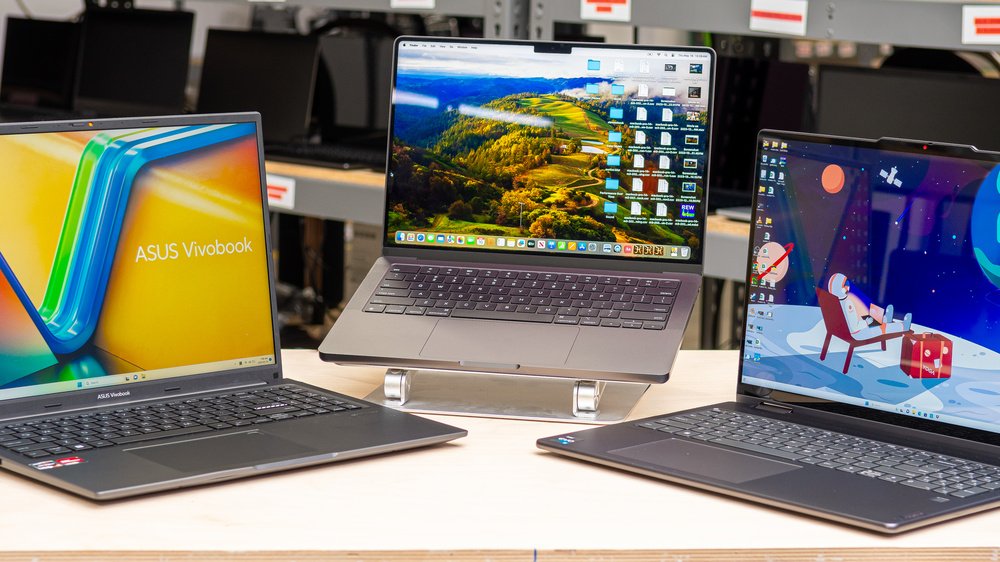
Choosing theBest Laptops 2026 involves more than simply selecting the newest model. Buyers should consider performance, portability, build quality, battery life, display quality, upgrade options, and long-term value. This comprehensive guide explains the top laptop categories, essential buying factors, and recommendations to help you make an informed decision.
Why Choosing the Right Laptop Matters
A laptop is often one of the most frequently used devices in daily life. The wrong purchase may lead to slow performance, poor battery life, or limited functionality, while the right choice can improve productivity and entertainment for years.
Benefits of choosing the right laptop include:
- Faster multitasking
- Better battery endurance
- Higher productivity
- Improved gaming experiences
- Professional-grade content creation
- Reliable remote work capabilities
- Future-proof hardware
Instead of focusing only on price, consider how the laptop aligns with your long-term needs.
For more info:
Best Power Banks (2026 Guide) – Complete Buying Guide & Top Recommendations
Key Features to Consider Before Buying
Processor (CPU)
The processor is the brain of the computer.
Look for:
- Modern Intel Core Ultra processors
- AMD Ryzen AI series
- Apple Silicon chips for macOS users
- AI-enabled NPUs for future productivity features
More cores generally improve multitasking and creative workloads.
Memory (RAM)
For smooth performance in 2026:
- 8GB: Basic browsing and office tasks
- 16GB: Recommended minimum for most users
- 32GB: Content creators and developers
- 64GB or more: Professional video editing and AI workloads
Storage
Solid State Drives (SSD) provide much faster performance than traditional hard drives.
Recommended capacities:
- 256GB: Entry level
- 512GB: Ideal for average users
- 1TB: Professionals and gamers
- 2TB+: Large creative libraries
Display
Display quality significantly impacts daily use.
Popular options include:
- Full HD (1920×1080)
- 2.8K or 3K panels
- 4K displays
- OLED technology
- High refresh rates (120Hz–240Hz)
Brightness above 400 nits is beneficial for outdoor usage.
Battery Life
The best laptops in 2026 commonly provide:
- 8–10 hours for gaming
- 12–16 hours for business users
- 15–20 hours for lightweight productivity models
Battery efficiency depends heavily on workload and screen brightness.
Graphics Card
Integrated graphics are suitable for office tasks and streaming.
Dedicated GPUs are recommended for:
- Gaming
- 3D rendering
- CAD software
- Video editing
- Machine learning projects
Build Quality
Premium laptops often feature:
- Aluminum construction
- Magnesium alloy chassis
- Reinforced hinges
- Spill-resistant keyboards
- Durable designs for travel
A sturdy build contributes to long-term reliability.
Best Laptop Categories in 2026
Best Overall Laptop
An excellent all-around laptop balances portability, speed, battery life, and display quality. It should comfortably handle office work, streaming, programming, photo editing, and multitasking without compromise.
Ideal for:
- Professionals
- Students
- Freelancers
- Remote workers
Best Laptop for Students
Students need affordable machines that prioritize battery life and portability.
Recommended features:
- Lightweight design
- 16GB RAM
- 512GB SSD
- Full HD display
- Comfortable keyboard
- Reliable webcam
These systems easily support research, assignments, and virtual learning.
Best Laptop for Business Professionals
Business users value security and productivity features.
Look for:
- Fingerprint reader
- Facial recognition
- Enterprise security
- Long battery life
- Quiet operation
- Premium webcam and microphones
Portability is especially important for frequent travelers.
Best Gaming Laptop
Gaming laptops continue to evolve with desktop-class performance.
Important specifications include:
- Powerful dedicated graphics
- High-refresh-rate displays
- Advanced cooling systems
- Mechanical-style keyboards
- Fast PCIe SSD storage
Modern gaming laptops also perform exceptionally well for video editing and 3D work.
Best Laptop for Video Editing
Professional editors benefit from:
- Color-accurate displays
- High-core-count CPUs
- Dedicated GPUs
- Fast SSD arrays
- 32GB or more RAM
These systems reduce rendering times and improve workflow efficiency.
Best Laptop for Programming
Developers should prioritize:
- Fast compilation speeds
- Excellent keyboards
- Large displays
- Virtualization support
- Reliable Linux compatibility
- Long battery life
Modern development tools increasingly benefit from AI acceleration.
Best Laptop for Graphic Design
Creative professionals need displays with excellent color accuracy.
Ideal features include:
- OLED panels
- Wide color gamut
- High resolution
- Pen support where applicable
- Powerful GPUs
These machines support photo editing, illustration, branding, and publishing tasks.
Best Budget Laptop
Affordable laptops have improved dramatically.
A good budget model should include:
- Modern processor
- SSD storage
- At least 8GB RAM
- Full HD display
- Decent battery life
Budget buyers no longer need to sacrifice usability for price.
AI Features in 2026 Laptops
Artificial intelligence is becoming a standard feature.
Common AI capabilities include:
- Live language translation
- Noise cancellation
- Automatic framing during video calls
- Smart battery optimization
- Local AI assistants
- Image generation
- Productivity suggestions
AI hardware acceleration helps reduce cloud dependence and improves privacy.
OLED vs LCD Displays
OLED Advantages
- Perfect blacks
- Superior contrast
- Vibrant colors
- Faster response times
LCD Advantages
- Lower cost
- Excellent brightness
- Reduced risk of image retention
- Great longevity
Creative professionals often prefer OLED, while general users may find LCD offers excellent value.
Windows, macOS, or Linux?
Windows
Best for:
- Gaming
- Business software
- Broad hardware compatibility
Pros:
- Huge software library
- Flexible pricing
- Extensive hardware choices
macOS
Best for:
- Creative work
- Video production
- Apple ecosystem integration
Pros:
- Smooth optimization
- Excellent battery life
- Strong build quality
Linux
Best for:
- Developers
- System administrators
- Open-source enthusiasts
Pros:
- Highly customizable
- Secure
- Efficient resource usage
Connectivity Features to Look For
Modern laptops should ideally include:
- USB-C
- Thunderbolt support
- HDMI
- Wi-Fi 7
- Bluetooth
- Fast charging
- SD card reader
- Multiple USB ports
These improve compatibility with accessories and external displays.
How Much RAM Do You Really Need?
Usage recommendations:
- Casual browsing: 8GB
- Office work: 16GB
- Programming: 16GB–32GB
- Gaming: 16GB–32GB
- Professional editing: 32GB+
- AI workloads: 32GB–64GB
Having extra RAM helps future-proof your purchase.
Is 512GB Storage Enough?
For many users, yes.
However:
- Gamers may prefer 1TB or more.
- Video editors often require 2TB or external drives.
- Professionals working with large datasets benefit from additional storage capacity.
Cloud storage can supplement local storage but should not completely replace it.
Tips for Extending Laptop Lifespan
- Keep software updated.
- Avoid excessive heat.
- Use surge protection.
- Clean vents regularly.
- Store properly during travel.
- Charge responsibly.
- Back up important files.
- Avoid physical impacts.
Proper maintenance can add years to a laptop’s useful life.
Common Buying Mistakes
Many shoppers regret purchases because they:
- Buy too little RAM
- Ignore display quality
- Focus only on processor branding
- Choose insufficient storage
- Forget about battery life
- Overlook keyboard comfort
- Ignore portability
- Skip warranty considerations
Evaluating the complete package usually leads to greater satisfaction.
Should You Upgrade or Buy New?
Upgrading may make sense if:
- RAM is expandable
- SSD can be replaced
- The processor still meets your needs
Buying a new laptop is often better when:
- Battery life has significantly degraded
- Performance no longer meets modern requirements
- Repair costs approach replacement value
- New AI features would substantially improve productivity
Future Trends
Emerging trends include:
- More powerful on-device AI
- Longer battery life
- Lighter designs
- Foldable displays
- Faster wireless connectivity
- Improved cooling systems
- Greater sustainability through recyclable materials
- Enhanced security with biometric authentication
Consumers can expect laptops to become even more capable while maintaining portability.
Final Thoughts
The best laptop in 2026 depends entirely on your intended use. Students should prioritize affordability and battery life, professionals should seek reliability and security, creators need high-performance hardware with color-accurate displays, and gamers require dedicated graphics and advanced cooling.
Before purchasing, compare specifications carefully and think beyond marketing claims. A balanced combination of processor performance, RAM, SSD storage, display quality, battery life, and build durability will provide the best long-term value.
By understanding your own requirements and focusing on practical features instead of trends alone, you can confidently choose a laptop that remains productive and enjoyable for years to come.